
This is the kind of cooking that rarely begins with a recipe. It begins with opening the refrigerator, seeing what survived the first meal, and deciding it still deserves some attention.
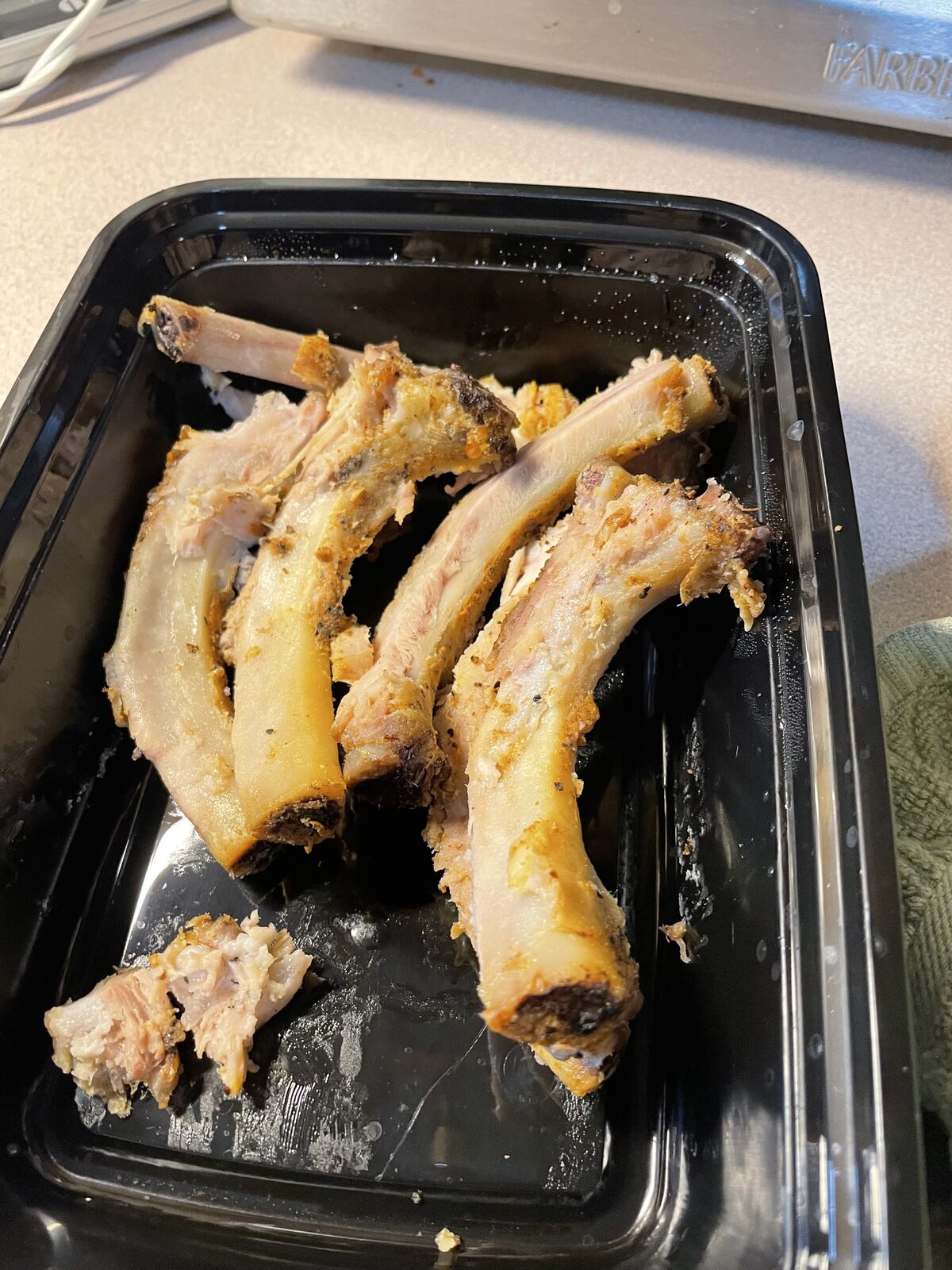
First, the bones.
I picked the remaining meat from the ribs and chopped it small enough to fit inside a taco. What looked like scraps around the bones became a useful pile once it was all in one place. That is often the first useful step in making another dinner from leftovers: gather the food before deciding there is not enough of it.
Then, a different direction.
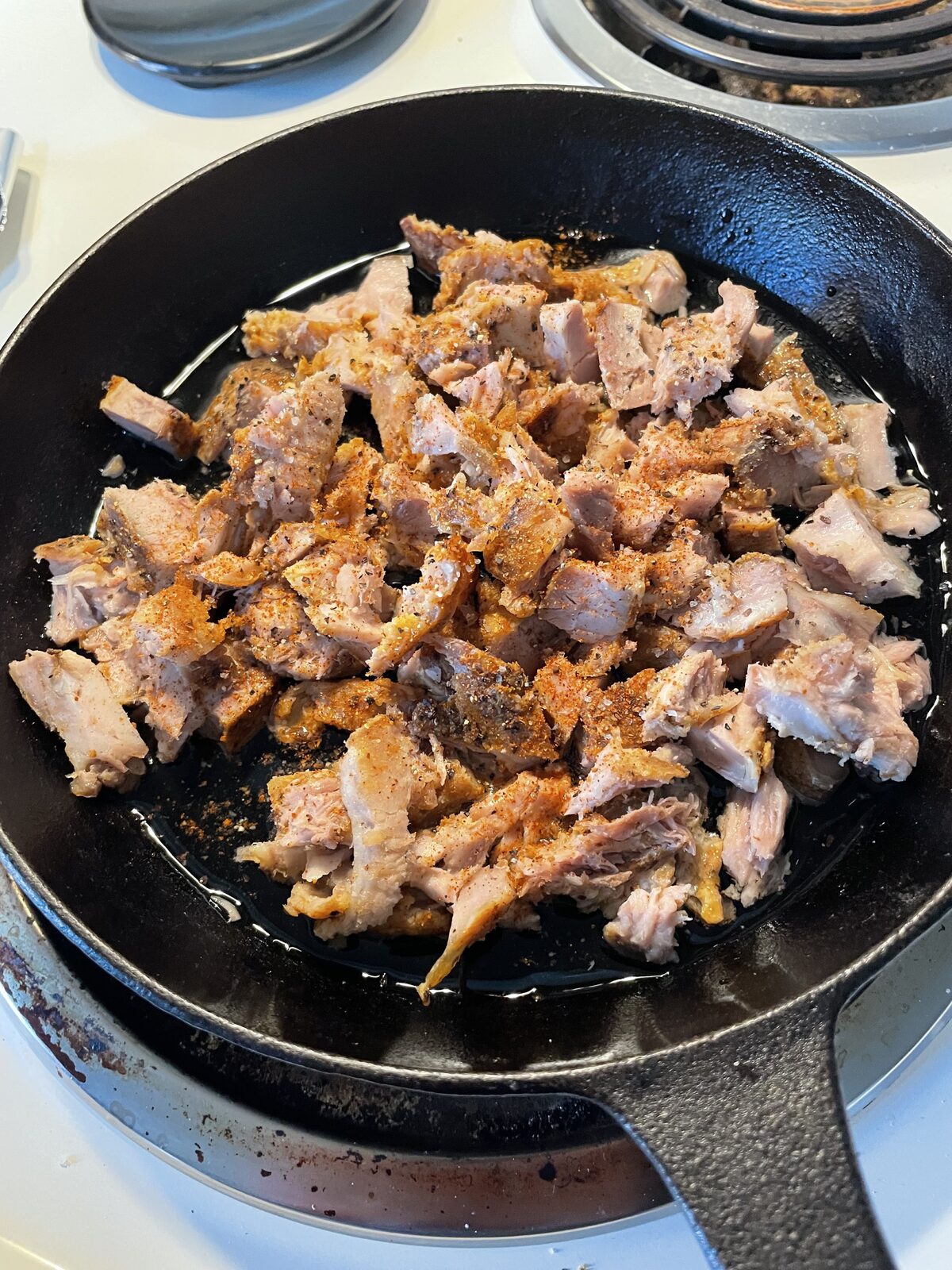
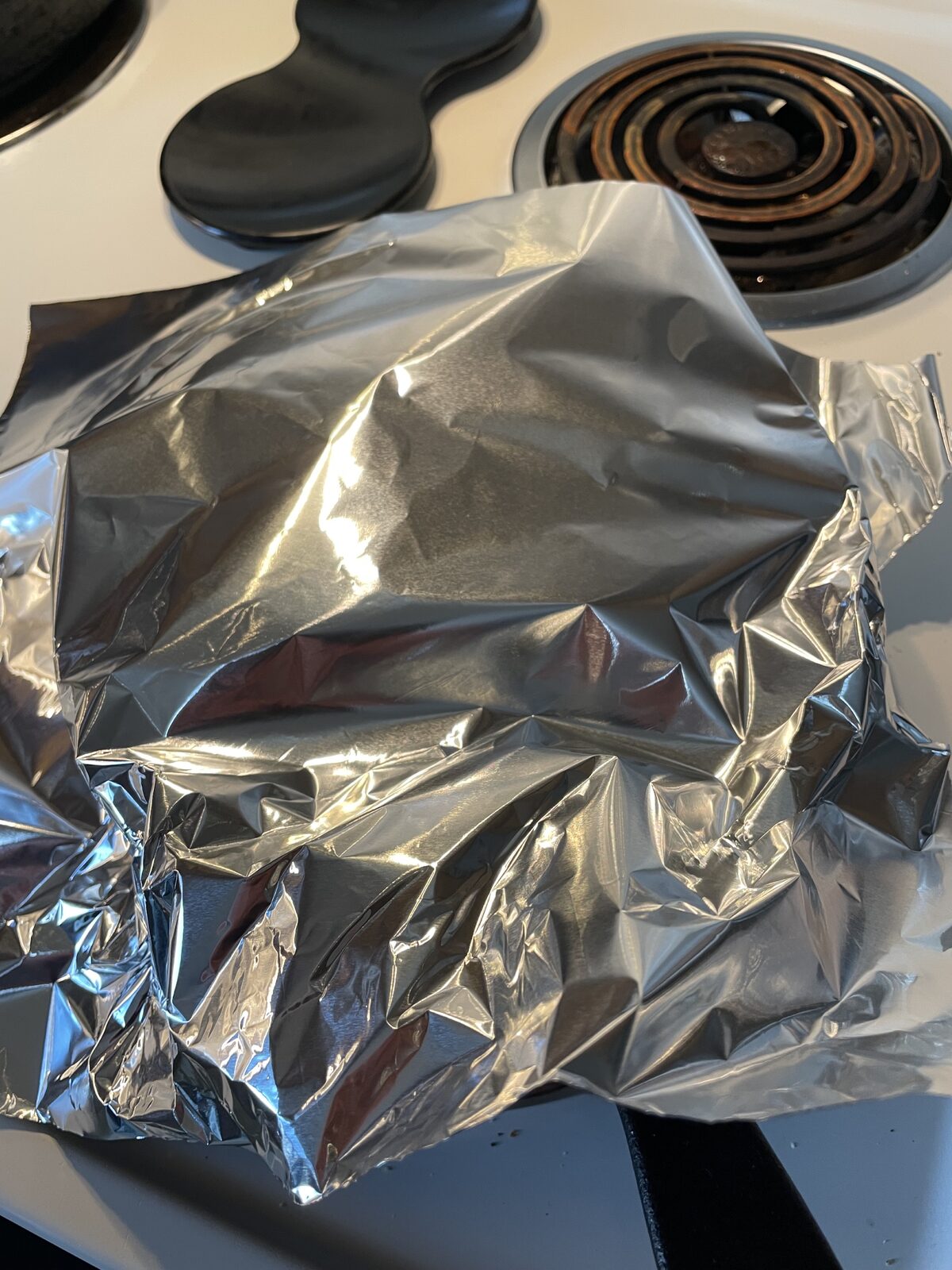
The meat went into cast iron with a little taco-friendly seasoning. The important part was remembering that it was already cooked. I was not trying to cook it again; I was trying to get it hot without drying it out.
Dinner became assembly.
Soft tortillas and hard shells both went on the counter. So did cheese, slaw, and a corn, black bean, and pepper salsa. Everyone could build the version they wanted. The second meal no longer looked like reheated ribs. It looked like taco night.
“This is not leftovers. This is dinner on purpose.”
What I carried forward
The second meal needs a decision, not a disguise.
I did not need to hide where the meat came from. I only needed to choose what it was becoming, protect it from too much heat, and put the rest of dinner around it.